
Our Approach
What is occupational therapy?
Occupational therapy is a very unique profession
that addresses a variety of different areas. In pediatric occupational therapy, the goal is to utilize play- based therapy to increase independence in meaningful occupations; self-care skills, play skills, and school/academic performance. OT sessions are child-led and play based as there is staggering research that indicates children learn better during play based activities then through repetitions of skills. OT therapists foster a safe rapport with the children in order to develop unique treatment interventions to address different skills. The occupational therapist will be focused on meeting the child’s sensory needs to achieve ‘just-right success’. Some of the areas that an OT might address but is not limited to is sensory processing and integration differences, fine motor skills, gross motor skills, visual motor skills, primitive reflexes, picky eating, bilateral coordination, and so much more.
Therapy is designed to increase the child’s self confidence and self esteem
through play based interactions. The therapist will be in close communication with the parent’s to ensure they are addressing any parent-identified priorities for changes in daily functioning. There will always be an emphasis on co-regulation and enhancing the parent-child or guardian-child relationship. The child is an active participant in advocating for their wants / needs throughout the session. The child and the therapist will relay information to the parents about how the child’s sensory system receives information from the world and how we can best set the child up for success. Overall, the goal of each session is to allow the child to be confident in their abilities at home and in school.
What is sensory processing?
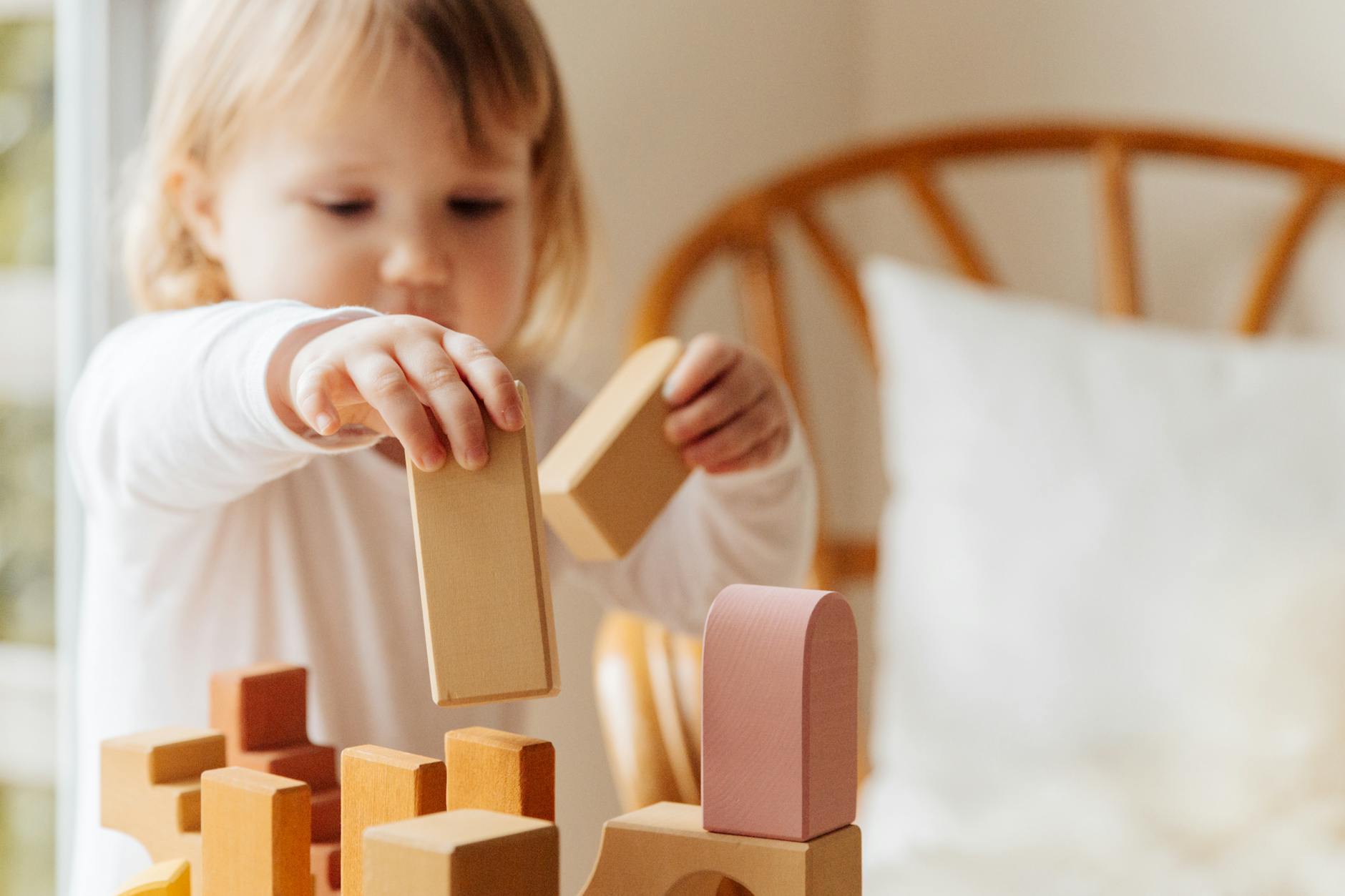
Sensory processing is our bodies ability to perceive, organize, modulate and interpret sensory information.
It is the degree to which we can identify how we feel about the world around us. Sensations are constantly being processed by everyone. From the smells in the environment, to the chair we are seated in, to the food we eat, our bodies are constantly responding to every single thing we do in life. In all of these situations, our body is utilizing our sensory systems to be successful in the way to which we respond to the environment.
Our body unconsciously processes sensory input.
It does so in a way to protect us and make sense of information so that we can effectively participate in meaningful occupations. It makes us feel safe, grounded, satisfied, and accomplished. Sensory processing influences every meaningful occupation; handwriting, fine motor skills, gross motor skills, motor planning skills, praxis skills, visual motor skills, etc.
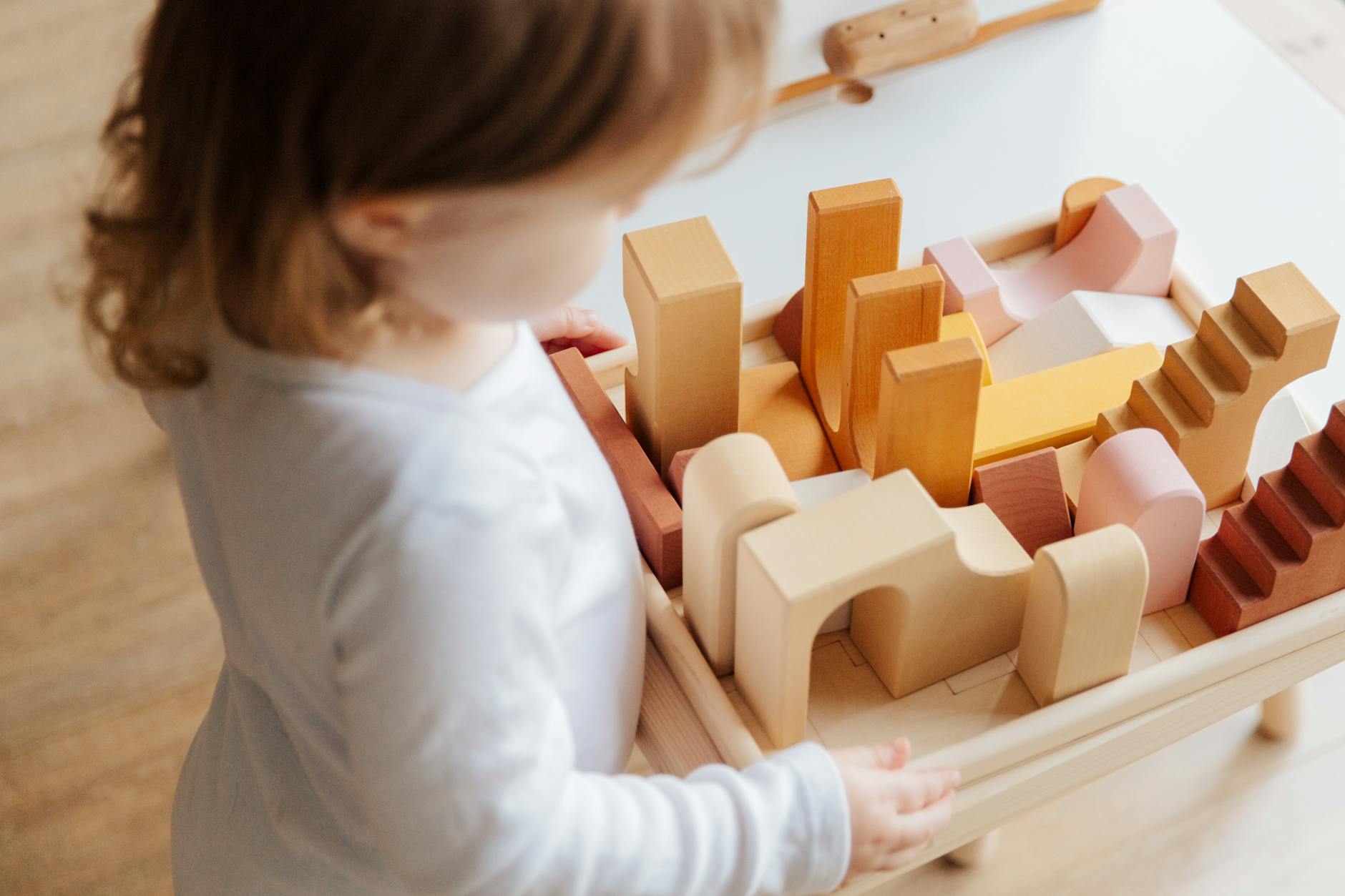
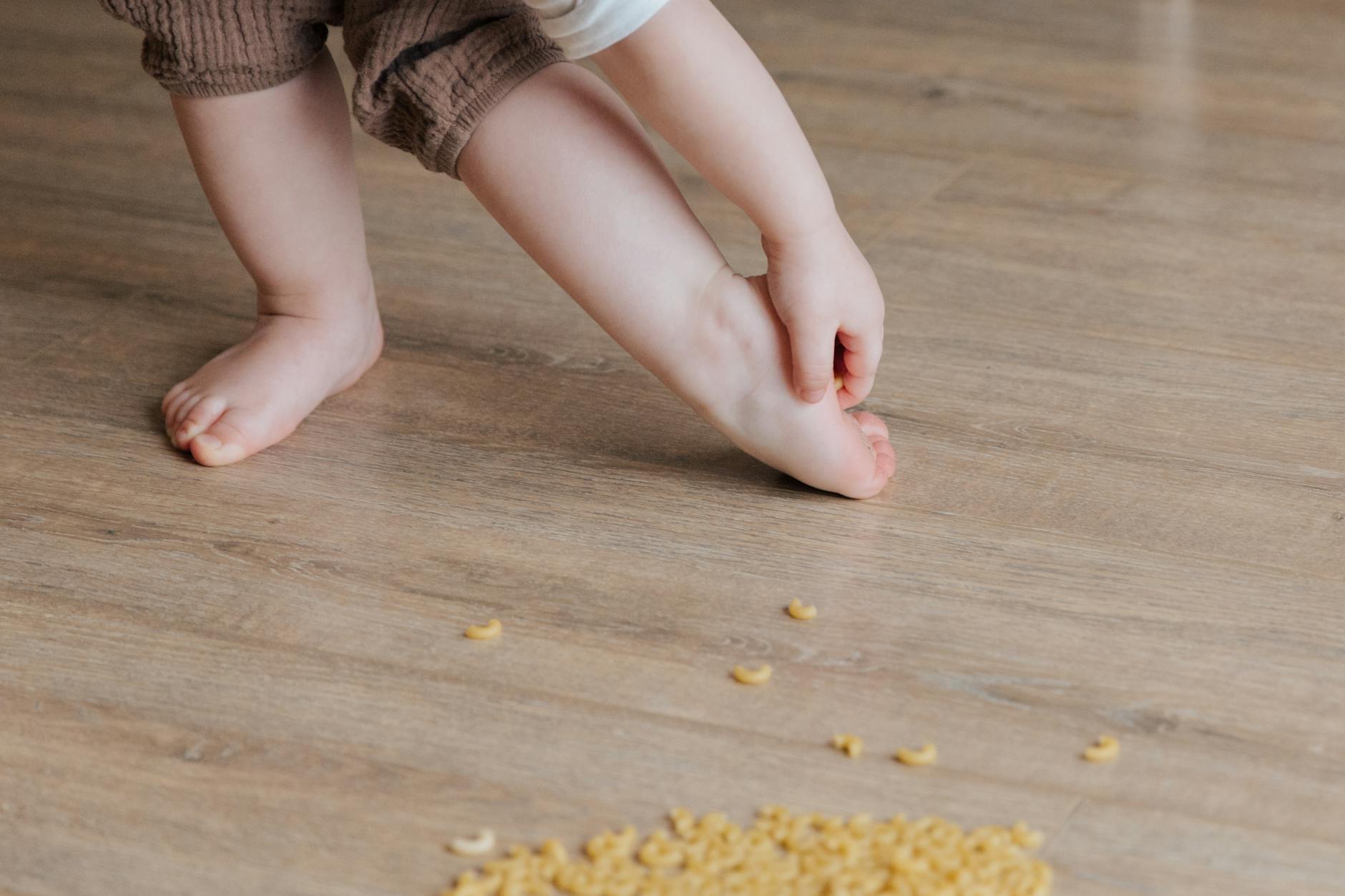
For some individuals, they might have differences to the degree to which they process sensory input.
This is clinically recognized as sensory processing disorder or SPD. This is considered a neurological condition that is at the brain and body level. These individuals might experience challenges in their ability to participate in meaningful activities since they might find it difficult to process and act upon information through their senses. Characteristics of SPD could be; motor clumsiness, anxiety, depression, school challenges, behavior challenges, and others. At Sensory Sprouts, we are a neurodivergent affirming facility that advocates for the child’s needs. This is why as a facility we promote meeting the child’s sensory needs so that they can live a fulfilling lifestyle in any situation.
For some individuals, sensory input can be too overwhelming where they might freeze, elope, or fight due to an imbalance in their autonomic nervous system.
The nervous system receives messages from our senses and responds via motor or behaviors. For instance, a child might be over or under-responsive or sensory craving to different sensory systems (Sensory Modulation Disorder). More specifically, a child might over-respond to different types of clothes, smells of different foods, loud noises, etc. or a child might under-respond to pain, temperature, falling, tightness of clothing, spinning, swinging, etc, or a child might demonstrate characteristics as a sensory craver, to which it doesn’t seem like they can ever get enough sensory input. Or a child might have postural differences (Sensory-Based Motor Disorder). Characteristics of this is a child leaning on many objects, or melting into a couch, or having difficulty sitting at their desk at school because it takes extra effect to regulate the correct amount of force to sustain an upright position. Or a child might be differentiating different stimuli (Sensory Discrimination). In an ever changing world of sensory stimulus, it can be very overwhelming, lonely, and uncertain for those individuals with differences in the ability to process, modulate, and adapt to different environments.

Through sensory integration therapy….
we give kids the confidence and ability to make adaptations and accommodations to their environments in order to respond to sensation, organize and respond to different sensory input.
Click here to go to sensory integration therapy
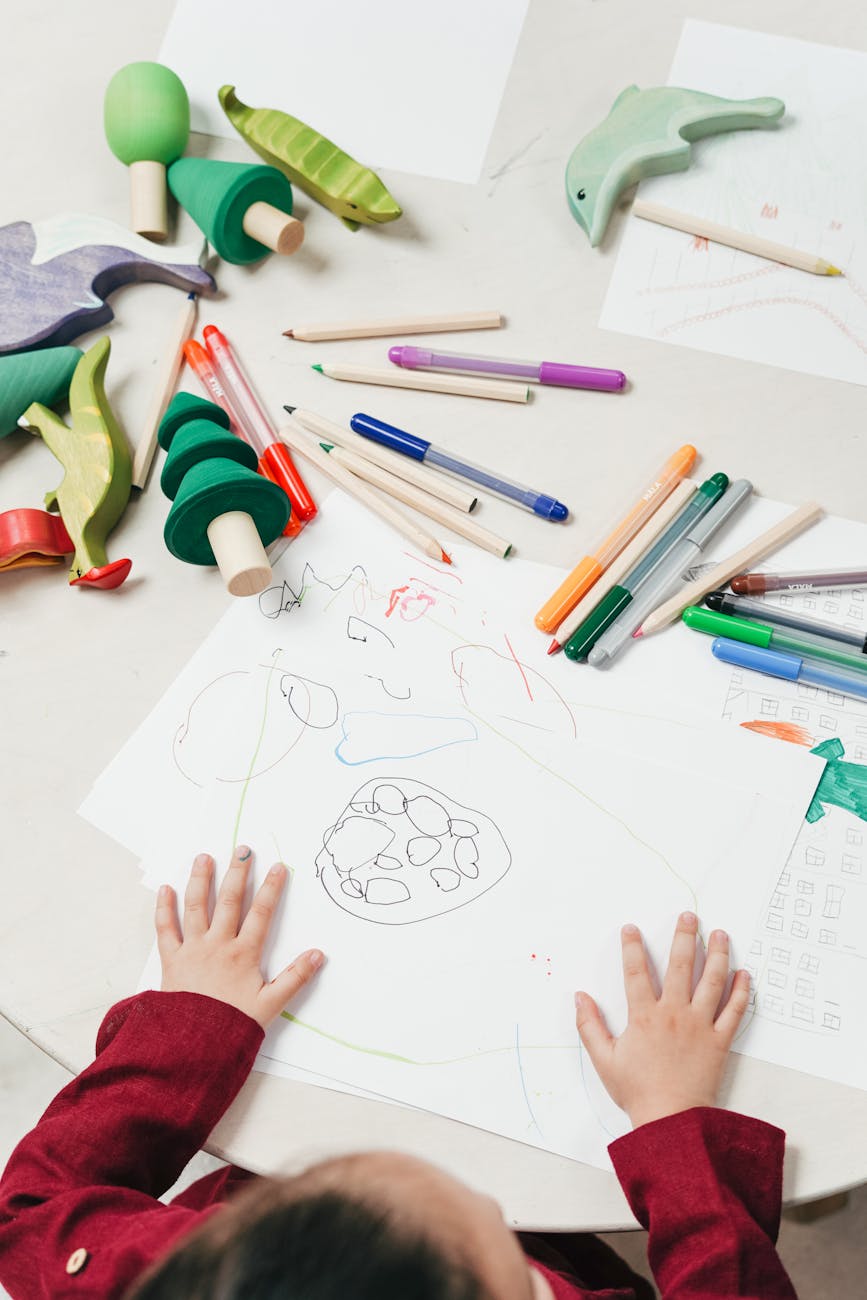
At Sensory Sprouts, the following areas can be addressed:
Gross Motor Coordination/Balance/Core Strengthening
This is a child’s ability to make large movements with the body’s muscles.
Visual Motor Skills
This includes visual perception, motor control, and eye-hand coordination.
Feeding Therapy
- Oral Motor Skills
- Oral Sensitivities
- Picky Eater vs. Problem Feeder
Retained Primitive Reflexes
Fine Motor Skills
- Grasping
- Drawing
- Cutting
- Writing
Sensory Processing Differences
When a child has an over to under-reaction to stimulus.
Impulse Control
A group of behavioral conditions that make it difficult to control actions or behaviors.
Alert Program
“If your body is like a car engine, sometimes it runs on high (hyped up), sometimes it runs on low (lethargic) and sometimes it runs just right (alert and focused)”. The Alert program is an evidence based program that helps adults and children learn how to regulate their bodies.
Zones of Regulation
- Zones of regulation is a social-emotional learning program that utilizes four different bright colors to help students identify their emotions and help them develop regulation skills.
- Green Zone: Ready to learn state. Calm and alert state. Feelings associated: happy, calm, focused, content, and peaceful.
- Red Zone: heightened state of alertness / arousal. Overwhelming amount of feelings. Feelings associated; mad, angry, frustrated, rage, terror, or devastation.
- Yellow Zone: Higher energy and stronger emotions. Feelings associated: stress, anxiety, excitement, silliness, confusion, nervousness, overwhelmed or having the wiggles.
- Blue Zone: Lower alertness and down feelings. Feeling associated; sadness, tiredness, sickness, hurt, loneliness, or boredom.
 Sensory Sprouts Pediatric Clinic