Sensory Integration Therapy
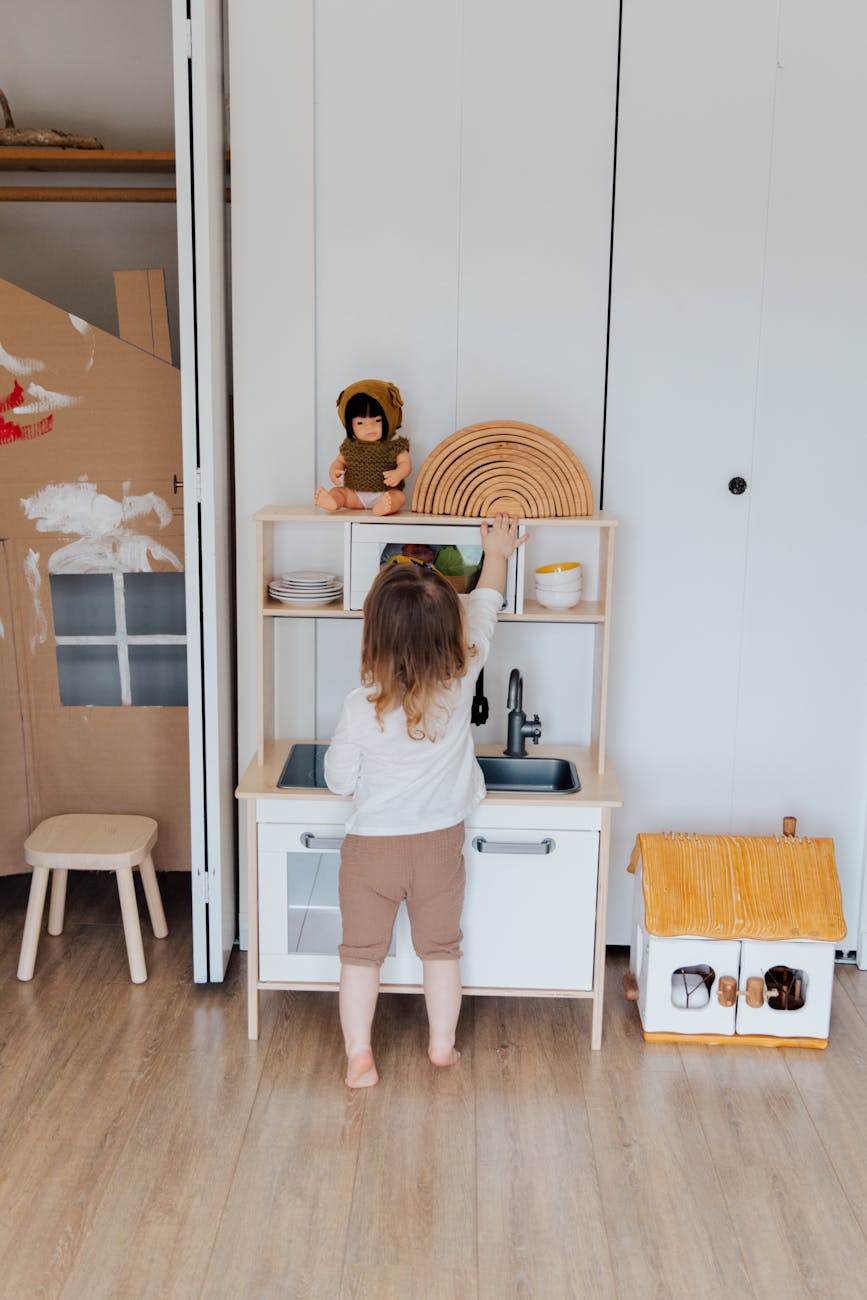
The occupational therapy session will assess the child’s sensory system through a comprehensive checklist
given to the parent’s child that dives into those 8 different sensory systems. Through fun play based activities, the OT will attempt to address the child’s needs so that they feel grounded and fulfilled by the end of the session. In turn, the brain will start to build new channels that allow it to react to touch, sound, sight, and movement in different capacities that can be translated into daily life.
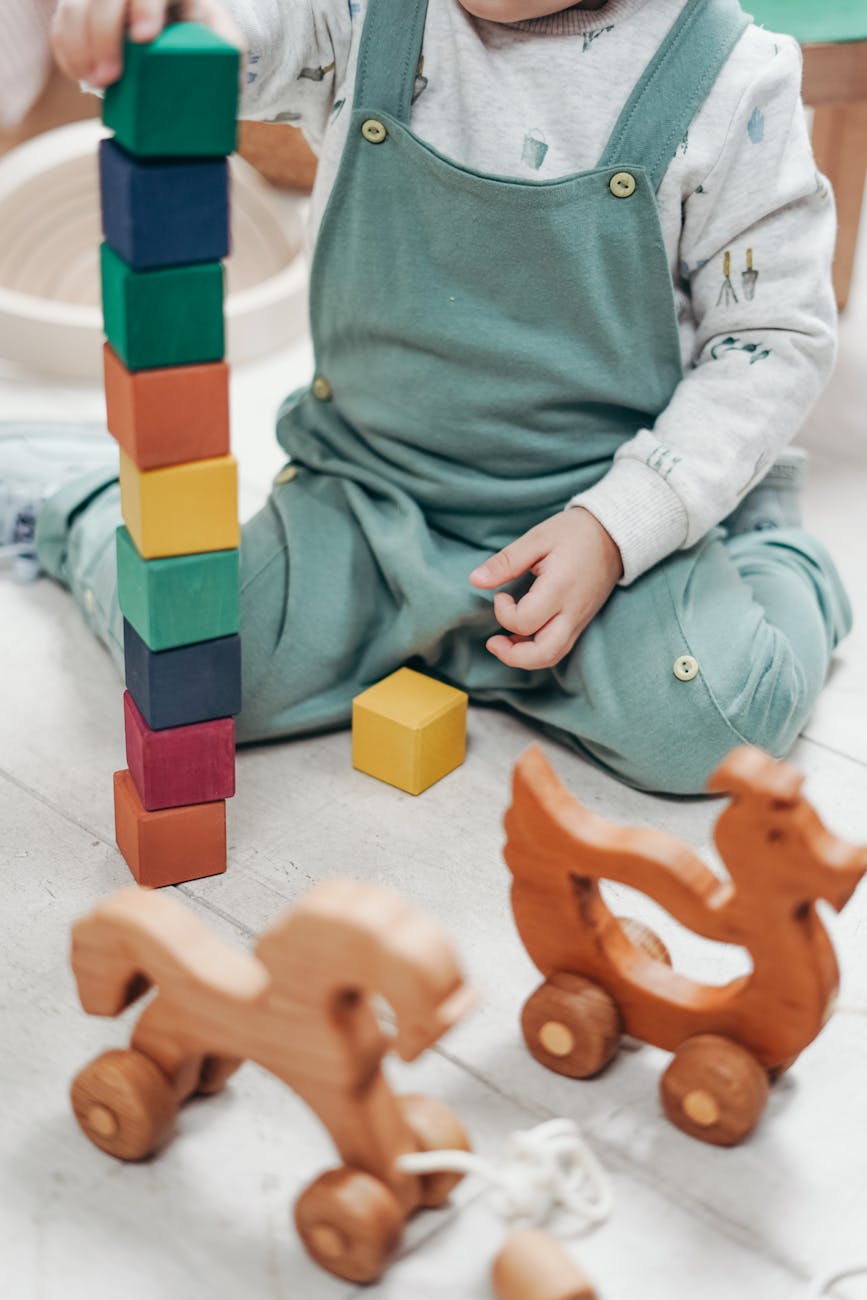
A session will be child-led, play-based, and given unique boundaries in order to elicit a desired response through different sensory means.
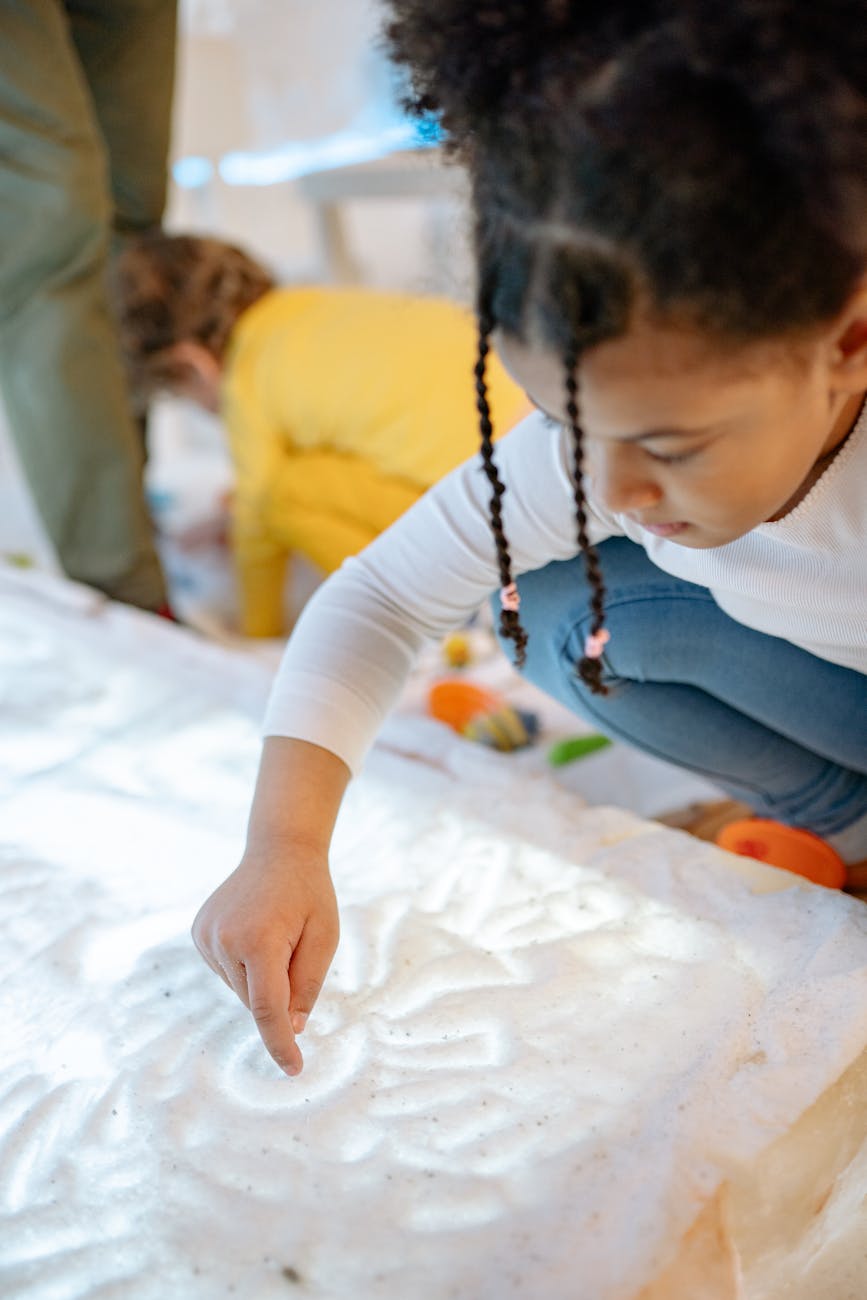
The session might begin with a swing. Knowing that the child loves to spin, the therapist is eager and willing to allow the child to spin in order to meet his vestibular needs. The therapist would then transition to a tactile activity that allows proprioceptive input to the joints and muscles; ie. steamrollers. This is specifically met after the vestibular input to regulate the nervous system after an activating activity. Following, a purposeful obstacle course might be set up to target joints, muscles, and an overall calming pressure on the child’s body. Following this, the child might participate in a sensory bin filled with shaving cream and the child has to locate puzzle pieces in it. Since the child has met their sensory needs, they might be more willing to participate in a texture that they have previously been disinterested in!
Common items that are utilized in occupational therapy
are swings, therapy balls, scooters, crash mats, uneven balance discs, trampolines, and so much more. While it may look like a play place or gym setting, OT’s have the training and techniques to perform therapy safely.

 Sensory Sprouts Pediatric Clinic